About Fair Travel
Fair Travel supports tourism and destination development through advisory services, training, analysis and auditing.
We help destinations, organisations and tourism businesses understand how tourism affects communities, culture, nature, resources and local economies—and translate that understanding into practical decisions and long-term development.
Our work is guided by respect for people and place, and by the belief that tourism needs to develop within the conditions that each destination can genuinely support.
How we work
Fair Travel works with tourism businesses, destinations and organisations in Sweden and internationally. We provide advisory services, training, analysis and auditing for tourism and destination development.
Our work may include assessments, policy and action-plan development, workshops, capacity building, destination development support and independent auditing. Each assignment is adapted to the organisation, destination and local context in which it takes place.
Fair Travel also provides selected international partners with Nordic market representation, B2B marketing support and travel-trade engagement. Based in Stockholm, we welcome contact from organisations and businesses interested in working together.
Our approach to tourism and destination development
Learn more about the principles that guide Fair Travel’s work, including respect for people and place, partner collaboration and climate action.
The story of Fair Travel
from travel experience to tourism and destination development
Travel has always been an important part of who I am. My first long backpacking journey around the world in 1998 gave me extraordinary experiences and a deep curiosity about people, places and cultures.
But it also made me aware of tourism’s more difficult side. In many places, I could see how tourism can put pressure on local communities, culture, nature, wildlife and resources. I began to ask how tourism could create opportunities without undermining the very places that make travel meaningful.
That question stayed with me. It led me to study tourism, work in different parts of the industry and eventually establish Fair Travel in 2008.
Over time, I came to see that good intentions alone are not enough. Tourism and destination development require an understanding of how decisions affect the people who live and work in a place, as well as its culture, natural environment and resources.
I also learned that every place is different. Meaningful development cannot simply be copied from one destination to another; it needs to be grounded in local knowledge, dialogue and the conditions that each place can genuinely support.
Fair Travel was built on the belief that tourism can be a positive force when it is developed with respect for people and place. That means recognising that tourism is part of a wider system: it affects residents, businesses, visitors, public authorities, culture, nature and local resources.
There is no single formula for better tourism. Meaningful progress requires knowledge, dialogue, collaboration and a willingness to understand both opportunities and consequences.
Through Fair Travel, I work with destinations, organisations and tourism businesses that want to turn this understanding into practical decisions, stronger structures and relevant long-term action.
The work is grounded in practical tourism experience, relevant international standards and methods, and the core values of respect and empathy. This remains the foundation of Fair Travel today.
Jeppe Klockareson
Founder of Fair Travel
Two symbols – the foundation of Fair Travel
Fair Travel’s logo is based on two traditional Adinkra symbols from the Akan cultural tradition of West Africa. Together, they express the perspective on which Fair Travel is built.

Bi Nka Bi – peace, harmony and respect
Bi Nka Bi can be translated as “No one should bite the other”. It represents peace, harmony, respect and the importance of being able to live and develop together.
For Fair Travel, the symbol represents people and the relationships between them. Tourism development cannot be created by one organisation or sector alone. It requires dialogue, collaboration and respect among residents, businesses, associations, visitors, public authorities and other actors who together shape a place.
Asase Ye Duru – the earth has weight
Asase Ye Duru can be translated as “The Earth Has Weight”. It represents the importance of the earth and our responsibility to respect and steward nature and its resources.
For Fair Travel, the symbol represents the place itself, and the natural and cultural values that make tourism possible. Tourism depends on functioning communities, living culture, nature, ecosystems and resources. It therefore needs to develop within the conditions that each place can genuinely support.
Together, these two symbols reflect Fair Travel’s perspective on tourism and destination development: respect for people and respect for place.
Who am I?
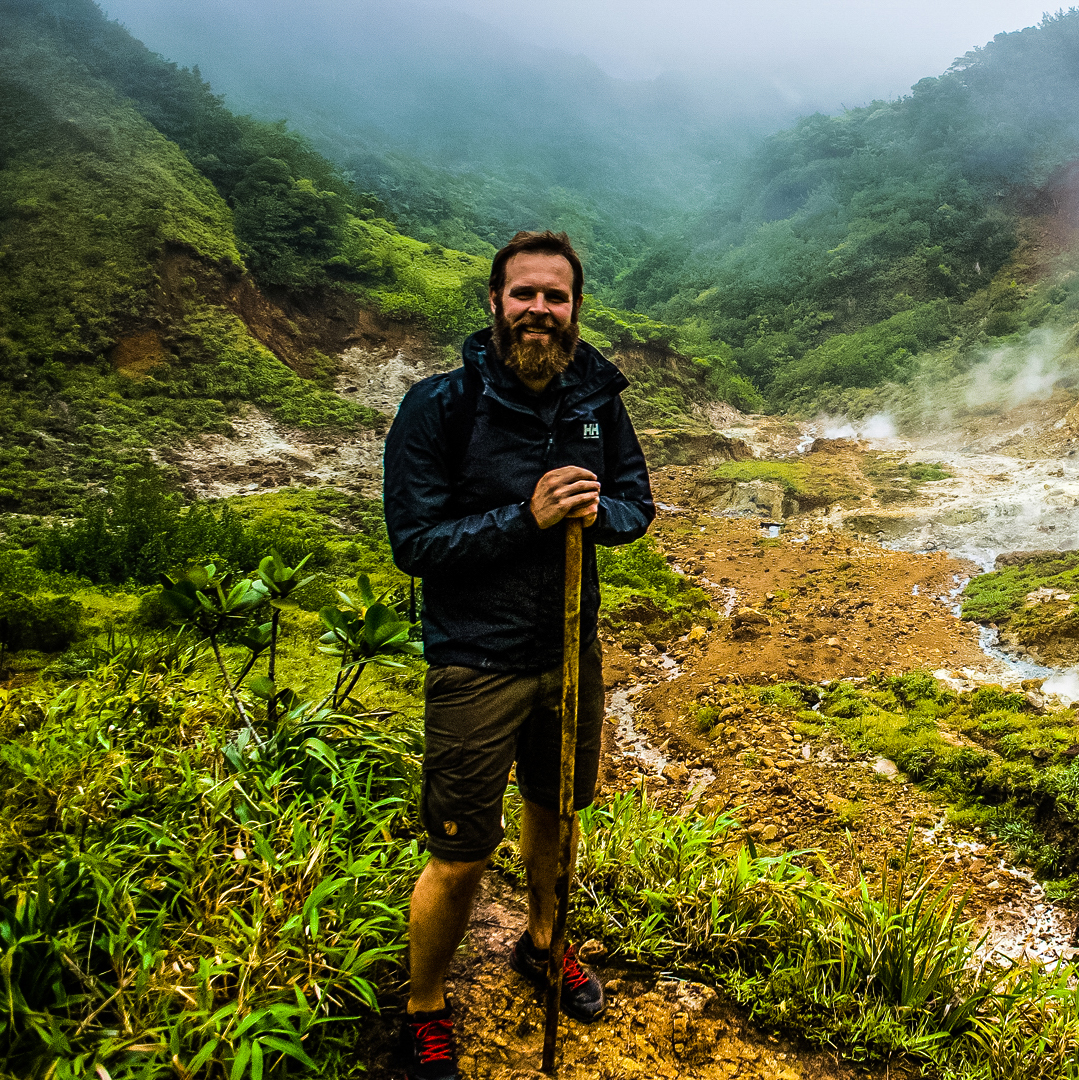
Fair Travel was founded and is run by me, Jeppe Klockareson. My work is grounded in long experience of travel, operational roles in the tourism sector, and a commitment to tourism and destination development that respects both people and place.
I was born and raised in Ystad and have been based in Stockholm since 2005. I have worked professionally in tourism since 2004, including previous roles as Managing Director at Basecamp Explorer and Product Manager at STA Travel. I also served for six years on the board of the Swedish Nature & Ecotourism Association.
I work as an advisor, trainer and independent auditor, supporting destinations and tourism businesses in turning ambition into structured, practical action. I was GSTC Country Representative Sweden between 2018 and 2020 and have worked extensively with the GSTC Standard and its application in tourism and destination development.